
Menu
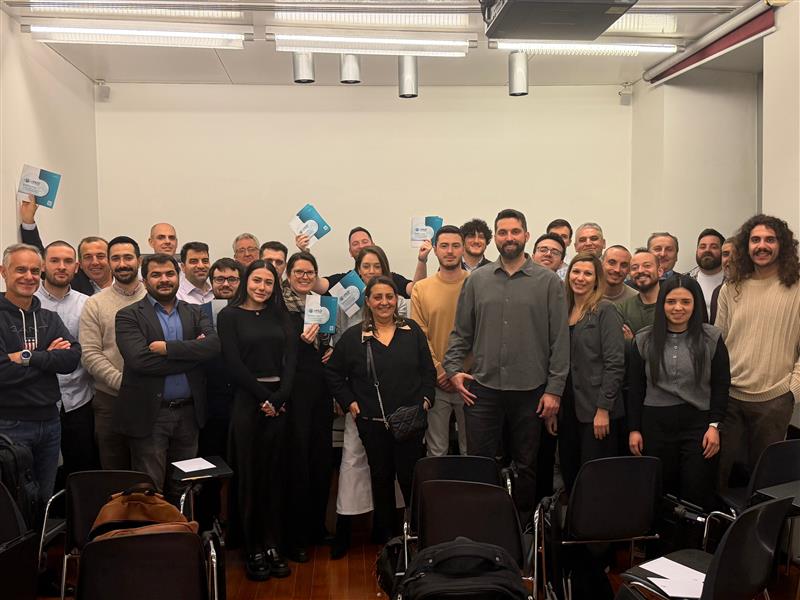
On February 4–5, 2026, the second cPAID Plenary Meeting took place in Rome, hosted by CNIT. The two-day gathering brought project partners together to support coordination, exchange insights, and align on the initiative’s next steps.
Across the meeting, the agenda centered on a review of the project’s progress so far. Partners shared updates on key achievements, discussed submitted deliverables and assessed performance against KPIs, ensuring that the work completed to date remains consistent with the project’s overall objectives. These sessions also provided space to highlight milestones reached, identify areas that need additional attention and clarify upcoming activities.
In parallel, several technical discussions ran throughout the two days, providing a detailed view of the project’s evolving implementation. Updates included the technical overview, ongoing efforts to strengthen the system’s performance and actions to improve the robustness of AI components to ensure reliability across use cases and operational contexts, while additional sessions explored work related to AI prevention and capacity building.
Further discussions covered the status of platform integration and validation, with partners sharing progress, lessons learned and practical considerations to keep integrations stable and aligned with real-world requirements. Moreover, an insightful technical workshop took place.
Konnektable Technologies Ltd., as a proud partner of the cPAID initiative, was pleased to participate in the plenary meeting and contribute actively to the discussions. The event provided a valuable opportunity to connect with consortium partners, exchange feedback and reflect on how our ongoing work supports the project’s broader activities. Our colleague, Stavros Delavinias, represented Konnektable at the meeting, engaging with partners throughout the sessions and contributing to discussions around progress, collaboration points and upcoming actions. Overall, the plenary reinforced the strong cooperation within the consortium and provided clear momentum for the next phase of work.
Input your search keywords and press Enter.